A featured contribution from Leadership Perspectives, a curated forum for technology leaders, nominated by our subscribers and vetted by the Applied Technology Review Editorial Board.

Koppers Holdings Inc
Steering Finance with Foresight
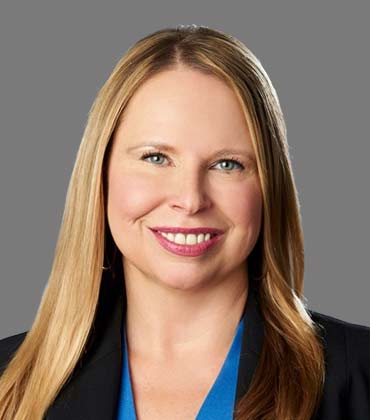
Jimmi Sue Smith
Jimmi Sue Smith is the retired Chief Financial Officer at Koppers Holdings Inc. She brings extensive experience across corporate accounting and financial leadership, including senior roles at EQT Corporation. An accomplished CPA and JD, she is known for her disciplined approach to capital strategy, governance, and long-term value creation.
A career in finance rarely follows a fixed path. Mine began in audit at PricewaterhouseCoopers, followed by accounting roles in the steel industry and an early tenure at Koppers. During my first stint as the senior controller for one of its business units, I pursued a law degree through a night program.
After completing my law degree, I expected to move into a legal role. Instead, an opportunity at EQT Corporation redirected my path, leading me through successive leadership positions and into the CFO role. Returning to Koppers brought that experience together, shaped by working across industries and navigating different market conditions.
Decisions are made in Motion
The most important lesson shaping my approach to finance is that decisions are never made in a static environment. Some choices that looked right at the time were later affected by factors already shifting but not fully considered.
A decision can be analytically sound and still fall short if it assumes stability. Conditions evolve, and when they do, the assumptions behind a decision can quickly lose relevance. The gap between expectation and outcome often begins there.
That reality has changed how I evaluate every major call. It is not enough to assess what the numbers say today. The real question is what could change and how that change might affect the outcome. Accounting for those shifts leads to stronger judgment when conditions do change.
Culture Determines what the Numbers Mean
That same principle carries into how financial systems operate. Controls and processes, while essential, are only as reliable as the information flowing through them.
The quality of that information is shaped by culture. If teams feel uncomfortable raising concerns or sharing bad news, the integrity of the data gets compromised. When that happens, even well-structured systems cannot support effective decisions.
“It is not enough to assess what the numbers say today. The real question is what could change and how that change might affect the outcome.”
Creating an environment where transparency is expected is critical. People need to know they can surface issues without hesitation or blame. Leadership sets that tone, directly influencing how information moves through the organization. Governance depends on that clarity.
Certainty over Precision
These dynamics become most visible in capital allocation decisions. Markets rarely present ideal conditions, and waiting for perfect timing can introduce additional risk.
There have been instances where I chose to move forward with financing even when pricing was not optimal. The priority became securing certainty in a market that could shift quickly. In one case, executing a transaction ahead of a disruption ensured access to capital that would have been harder to secure mere days later.
That experience reinforced a clear trade-off. The difference between marginally better pricing and assured execution can be significant. When conditions appear nebulous, moving decisively becomes more valuable than holding out for possible incremental gains. Acting at the right time protects the business in ways that waiting cannot.
Aligning Sustainability with Business Reality
The same discipline applies to how organizations approach sustainability. Earlier in my career, sustainability had not yet emerged as a central focus. More recently, it became a priority, sometimes pursued without full alignment with business needs.
The current shift emphasizes balance. Sustainability and profitability are not separate objectives. Operating in a way that is not sustainable ultimately affects long-term performance, while initiatives that do not align with the business model are difficult to maintain.
The focus is on doing what is right for the business in a way that is also sustainable. When both objectives receive consideration together, decisions become more durable and better aligned with long-term outcomes.
The CFO Mandate in a Changing Environment
Technological developments, including artificial intelligence, continue to reshape the financial landscape. These changes introduce new variables, but they do not alter the core responsibility of the CFO.
The role remains centered on keeping the business financially secure and positioned to act on opportunities. That requires understanding what is changing externally and ensuring the organization is prepared to respond. Each new development represents another factor to evaluate within that responsibility.
For those entering financial leadership, technical capability is expected. How those capabilities get applied defines long-term success. Focus on doing the right things for the business and the people it serves. When that clarity guides action, it holds, even as conditions change.