
Executives evaluating tax services face a landscape shaped by regulatory drift, uneven guidance circulating online and increasing pressure to make decisions in real time rather than after the close of a fiscal year. For small and mid-sized organizations, particularly those built around specialized or nontraditional work, tax strategy has moved beyond filing accuracy into see-around planning that protects cash flow, reduces surprises and supports continuity. The challenge lies in finding an advisory relationship that translates technical complexity into decisions leaders can actually act on, without inflating risk through generic assumptions or one-size approaches.
Be first to read the latest tech news, Industry Leader's Insights, and CIO interviews of medium and large enterprises exclusively from Manage CFO Magazine
Tax Services
Tax Services encompass professional tax preparation, planning, compliance, advisory, and reporting support for individuals and businesses. These services help clients manage tax obligations, navigate changing regulations, identify eligible deductions, reduce financial risk, improve filing accuracy, and develop informed strategies that support long-term financial stability.
Solutions

Giacopelli Accounting
How Giacopelli Accounting Builds Financial Clarity for Creatives
James Giacopelli, President and Managing Member
Why do financial relationships often break down despite accurate reporting?
Do you ever feel like you are doing the work for your accountant rather than the other way around?
Do you ever feel like you are doing the work for your accountant rather than the other way around?
Deep Dive
Leadership Perspective
the Coca-Cola Company [NYSE: KO]
Three Moves, One Philosophy: How Cross Industry Transitions Shaped My Approach to Modern Indirect Tax Leadership
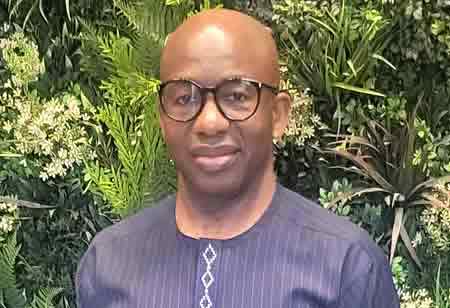
Taiwo Ogundele, Senior Director US Operations Tax
Taiwo Ogundele, CMI, Senior Director of US Operations Tax, at The Coca Cola Company. He is a dynamic Tax Executive with over 20 years of proven success in the Indirect Tax domain across diverse industries and tax functions. Recognized for building and leading high-performing tax teams while mentoring future leaders, his expertise includes Tax Controversy, Audit Management, Tax Technology and Systems and Compliance. He recently expanded focus to include Property Tax, R&D and Credits & Incentives. He is a former Tax Auditor for the State of New York with broad industry experience spanning Telecom, Retail, Manufacturing, Construction, E-commerce, Leasing and Consumer Products. He is committed to driving strategic tax solutions that optimize compliance and deliver measurable business value. Taiwo enjoys serving his local church community and playing soccer.
